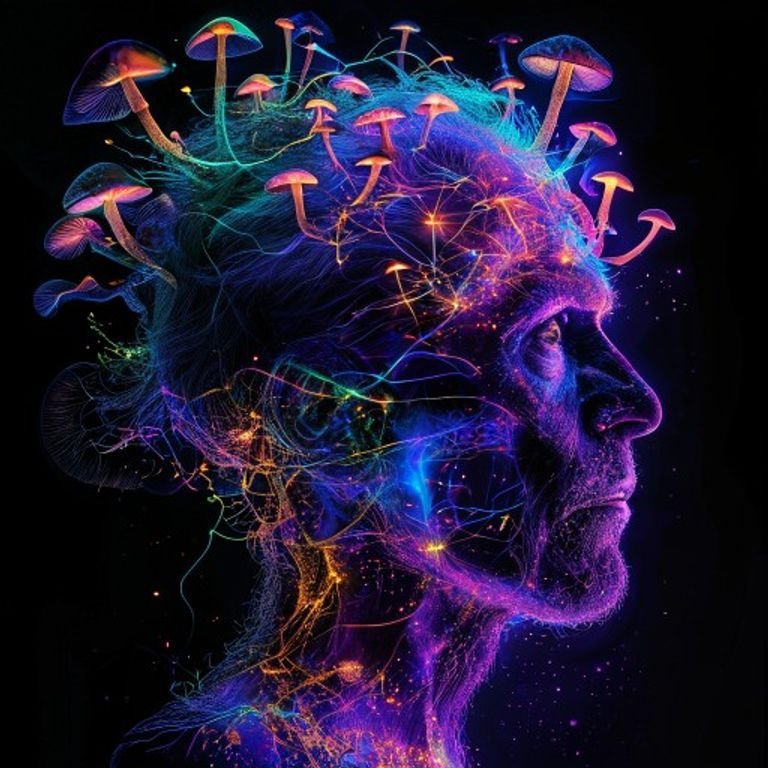
Subacute and long-term cognitive shifts after psychedelics: What we know — and what we don’t
Bottom line: Psychedelics like psilocybin and ketamine may be associated with subacute and long-term cognitive shifts, but evidence remains fragmented and inconsistent, suggesting further research is needed.
A new review of over 60 studies suggests that psychedelics like psilocybin and ketamine might not just change your mind — but your brain’s wiring, for days, weeks, or even longer. Yet the evidence is as fragmented as the experiences they produce — and the science is still trying to make sense of it.

The window of neuroplasticity: Why psychedelics matter
Psychedelics are not just hallucinogens. They are neurochemical catalysts, nudging the brain into a state of heightened plasticity — a period when neural circuits are more flexible and open to change. This window, which can last days or weeks after a single dose, is the key to understanding why these substances have such a profound impact on cognition.
The review, published in Neuroscience and Biobehavioral Reviews, found that this period of neuroplasticity may allow for changes in cognitive functions like attention, decision-making, and executive control. These functions are not just abstract constructs; they underpin everything from problem-solving to emotional regulation. If psychedelics can reshape how the brain processes information, they might hold potential for treating conditions like depression, PTSD, and addiction — but only if the changes are meaningful and lasting.
The most consistent evidence came from psilocybin, the psychoactive compound in magic mushrooms. Studies showed that psilocybin not only improved cognitive flexibility and attention in the days following use but also produced longer-term benefits, especially in people with psychiatric disorders. These findings suggest that the brain may reorganize itself in response to the psychedelic experience, potentially repairing cognitive deficits that have accumulated over time.
Ketamine, the dissociative anesthetic used in depression treatment, also showed promise. While its effects were more varied across cognitive domains, the review found that it often led to improvements in attention and memory — though the results were less consistent than with psilocybin. This variability may reflect differences in how ketamine and psilocybin interact with the brain, or the way they are administered.
LSD and DMT, on the other hand, showed no consistent subacute effects on cognition. This could mean that their impact is more subjective or that the brain doesn’t reorganize in the same way. But it also raises an intriguing question: if psychedelics can shape the brain, why do some do it better than others?
The brain rewires itself — but not everyone’s the same
One of the most surprising findings from the review was that cognitive improvements were more frequently seen in people with psychiatric conditions than in healthy subjects. This suggests that the changes may not be about enhancing normal cognition but about correcting existing deficits. In other words, psychedelics might not be making people smarter — they might be helping people whose brains have been damaged by mental illness.
This distinction is crucial. If the brain is already impaired, a substance that promotes neuroplasticity could act like a repair tool, allowing it to rewire itself. But if the brain is healthy, the same substance might not lead to cognitive gains — or even cause temporary impairments, as seen with MDMA.
MDMA, the drug used in PTSD treatment, was associated with transient cognitive impairments that resolved within days. This raises an important question: is the brain temporarily disrupted by the drug, or is it a side effect of the therapeutic process? The review suggests that the cognitive effects of MDMA are short-lived, but the long-term implications remain unclear. This duality — therapeutic benefit with short-term cognitive costs — highlights the complexity of psychedelic research.
The review also emphasized the limitations of current studies. Many lacked rigorous methodology, with issues like poor reporting of missing data and selective outcome reporting. These flaws make it difficult to draw definitive conclusions about the long-term cognitive effects of psychedelics. Without standardized reporting and larger, more diverse samples, it’s hard to know whether the cognitive changes observed are real or just the result of methodological quirks.
Frequently asked questions: What you really want to know
Q: Can psychedelics make you smarter?
A: Not necessarily. The cognitive improvements observed in people with psychiatric disorders may reflect the repair of existing deficits rather than an enhancement of normal cognitive function. There’s no strong evidence that psychedelics improve cognition in healthy individuals.
Q: Are the cognitive effects of psychedelics long-lasting?
A: It’s unclear. Some studies suggest that the cognitive benefits of psilocybin and ketamine can persist for weeks or even months, but others show that these effects are short-lived. More longitudinal research is needed to determine the durability of these changes.
Q: Is MDMA safe for cognitive function?
A: The cognitive effects of MDMA are transient and typically resolve within days. While it’s used in PTSD treatment, the short-term cognitive impairments raise questions about its long-term impact on brain function.
Q: Can psychedelics help with mental health?
A: Early evidence suggests that psychedelics like psilocybin and MDMA may have therapeutic potential for conditions like depression, PTSD, and addiction. However, the evidence is still preliminary, and more research is needed to confirm their safety and efficacy.
Q: What are the risks of using psychedelics?
A: The review notes that while the abuse liability of classic psychedelics is low, the evidence is of limited quality due to methodological issues. Risks may include temporary cognitive impairments, psychological distress, and the potential for misuse in certain contexts.
Sources
- ¶Subacute and long-term changes in cognitive functioning after administration of classic psychedelics, MDMA and ketamine: A systematic review of clinical and preclinical evidence.
- ¶The Abuse Liability of Classic Psychedelics: A Methodological Critique and Assessment of the Quality of Evidence of Recent Studies
- ¶Caution before canonisation: a clinical and implementation science perspective on psychedelics
Educational Disclaimer
This article is for informational and educational purposes only. It is not medical advice, mental health advice, diagnosis, treatment guidance, or a recommendation to use any substance, supplement, therapy, or protocol.
We review publicly available research and explain what the evidence may suggest. Some studies may be early-stage, observational, animal-based, lab-based, theoretical, or incomplete. Always consult a qualified professional before making health-related decisions.
Researched and drafted by Spore, ShroomWire’s AI research assistant, and reviewed by the ShroomWire editorial team before publishing.
Frequently asked questions
Can psychedelics make you smarter?
Are the cognitive effects of psychedelics long-lasting?
Is MDMA safe for cognitive function?
Do psychedelics like psilocybin and ketamine change brain wiring?
Can psychedelics help treat mental health conditions?
If you or someone you know is struggling, you are not alone. In the US, call or text 988 (Suicide & Crisis Lifeline). Elsewhere, contact your local emergency or crisis service.