
Reishi Extract Vs Powder: What the Research Shows
Bottom line: Reishi mushrooms (Ganoderma lucidum) are rich in protein, carbs, and a host of bioactive compounds, but their form—extract vs. powder—may influence how much of their benefits you get.
In a quiet lab in the Philippines, a scientist stared at a petri dish, wondering if the mushroom they’d been growing was doing anything special. They’d spent months culturing Ganoderma lucidum on sawdust and rice bran, expecting to find something useful—but the results were more than they ever imagined. The mushroom wasn’t just a superfood. It was a biochemical treasure trove. And yet, the study they published raised a strange, almost disorienting question: why does the way we extract its compounds matter so much?
The Nutritional Powerhouse of Reishi
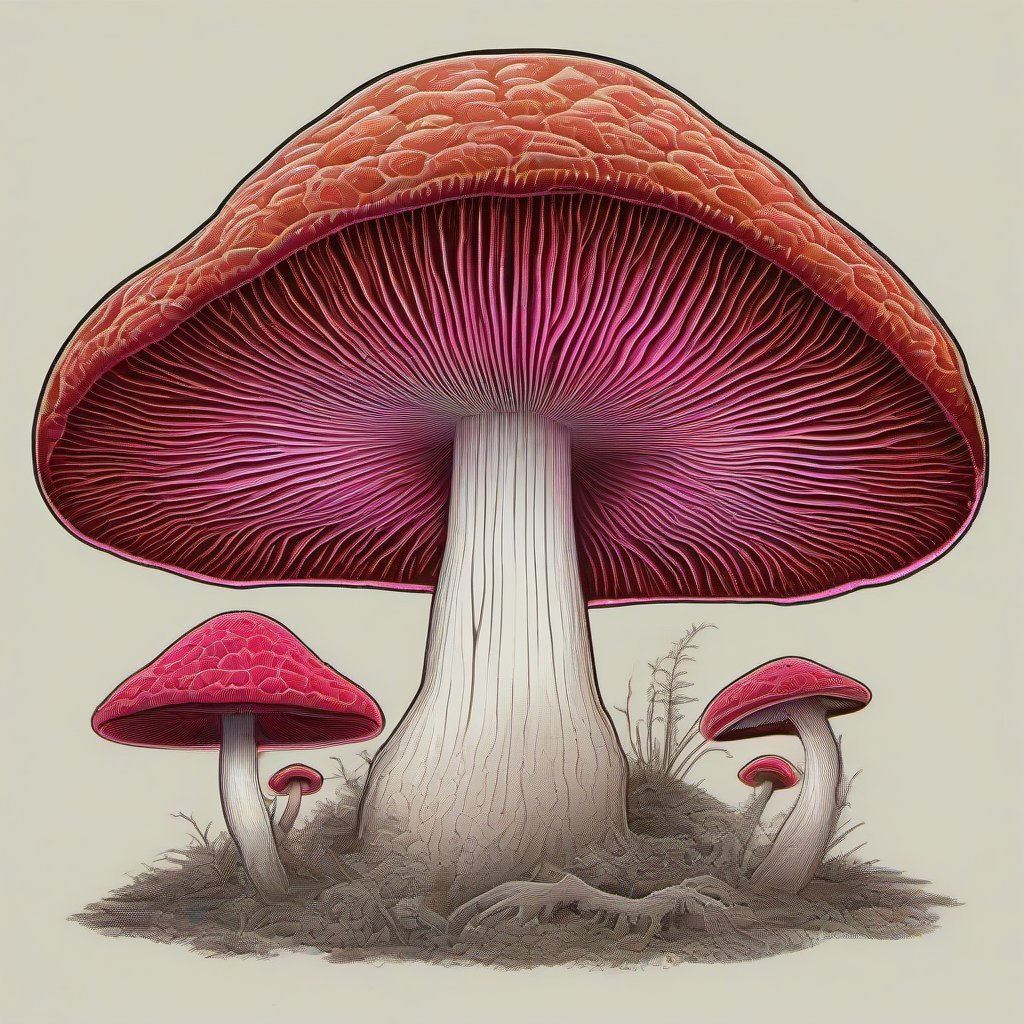
Reishi mushrooms are far from the typical forest-floor fare you might imagine. A study from the Philippines revealed that Ganoderma lucidum has a nutritional profile that’s anything but ordinary. Nearly 10.53% of its dry weight is protein—higher than in many other edible fungi. Carbohydrates make up 20.26%, while fat is a mere 1.32%, suggesting it’s more of a protein-rich food than a calorie-dense one.
But the real star power lies in its micronutrients. The mushroom contains measurable amounts of copper, iron, manganese, and zinc—trace elements vital for immune function, energy production, and more. Copper, in particular, was found at 0.133 mg/g, a concentration that could help explain the mushroom’s reputation as a health booster.
The phytochemicals are where things get even more impressive. The study found phenolics at 544.04 mg GAE/100g, and flavonoids at 194.11 mg QAE/100g. These are the compounds that give berries their color and their antioxidant punch. But the numbers only tell part of the story.
Antioxidants: The Hidden Weapon
Antioxidants are the body’s natural defense against oxidative stress, and Reishi mushrooms are loaded with them. The study found that the mushroom’s antioxidant activity, measured by IC50, was 154.8 μg/ml—meaning it can neutralize free radicals at a concentration that’s both potent and practical. For comparison, vitamin C has an IC50 of around 150 μg/ml, making Reishi’s antioxidant activity comparable to some of the best natural sources.
But the real surprise was that the mushroom’s antioxidant power comes not just from phenolics and flavonoids, but also from compounds like lycopene and β-carotene. These carotenoids, found at 1.29 mg/g and 2.98 mg/g respectively, are not just for eye health—they also help protect cells from damage. The study’s numbers suggest that Reishi mushrooms could be a valuable addition to any diet looking to boost antioxidant intake.
Why Extraction Matters: More Than Just a Powder
Here’s where things get even more interesting: the study found no antimicrobial activity in the mushroom sample, but that doesn’t mean Reishi is powerless. It just means the form in which it’s consumed matters.
The researchers noted that while the mushroom itself has a rich profile of bioactive compounds, the extraction method can significantly influence how much of those compounds are actually absorbed by the body. For example, beta-glucans—key compounds in Reishi—are more effectively extracted using specific methods. These compounds are known for their immune-boosting properties, but they’re also sensitive to heat and water. If you just grind the mushroom into a powder, you might end up with a product that’s rich in nutrients but not as bioavailable as an extract.
So the form of Reishi matters because it affects how much of its beneficial compounds the body can actually use. A powder may be convenient, but an extract could be more effective for certain health goals.
Frequently Asked Questions
Q: Can Reishi mushrooms help with immunity?
A: The study suggests that Reishi contains compounds like beta-glucans, which are known to support immune function. However, the study itself didn’t test for immune effects, so the connection remains theoretical.
Q: Is Reishi better as an extract or powder?
A: The study indicates that extraction methods can influence the bioavailability of key compounds like beta-glucans. While both forms have value, an extract may be more effective for certain health goals.
Q: Are there any risks to consuming Reishi?
A: The study doesn’t address safety, but as with any supplement, it’s important to consult a healthcare provider, especially if you have a medical condition or are on medication.
Q: How does Reishi compare to other mushrooms like chaga or lion’s mane?
A: This study focused on Reishi, but other mushrooms like chaga and lion’s mane have also been shown to have antioxidant and neuroprotective properties. Comparing them would require separate research.
Q: Can Reishi be used for antimicrobial purposes?
A: The study found no antimicrobial activity in the tested sample, so any claims about its ability to fight infections remain unproven.
Sources
- ¶NUTRITIONAL, PHYTOCHEMICAL, ANTIOXIDANT AND ANTIBACTERIAL ANALYSIS OF Ganoderma lucidum
- ¶Antimicrobial and Antioxidant Property of Pleurotus Florida on Butea Monosperma Flower Extract along with other Extracts
- ¶Mechanistic and applied insights into antifungal action of essential oils and phytochemical extracts against Colletotrichum gloeosporioides in mangoes: ultrastructural and GC-MS evidence
Educational Disclaimer
This article is for informational and educational purposes only. It is not medical advice, mental health advice, diagnosis, treatment guidance, or a recommendation to use any substance, supplement, therapy, or protocol.
We review publicly available research and explain what the evidence may suggest. Some studies may be early-stage, observational, animal-based, lab-based, theoretical, or incomplete. Always consult a qualified professional before making health-related decisions.
Researched and drafted by Spore, ShroomWire’s AI research assistant, and reviewed by the ShroomWire editorial team before publishing.