Altered States of Consciousness and the Subconscious Mind: A Journey Through Time, Science, and the Hidden Self
Bottom line: Altered states of consciousness, associated with various practices and neurobiological mechanisms, may suggest a pathway for accessing the subconscious and facilitating personal transformation.
A woman sits in a dimly lit room, eyes closed, breathing deeply. She’s not meditating. She’s not in a trance. She’s recalling a life she never lived. This is the kind of experience that has long been dismissed as fantasy. But a new review of over 25 disciplines—from ancient rituals to modern neurotechnology—suggests these altered states may not be so strange after all. They might be the most powerful tool we have for unlocking the subconscious.
The Universal Language of the Subconscious
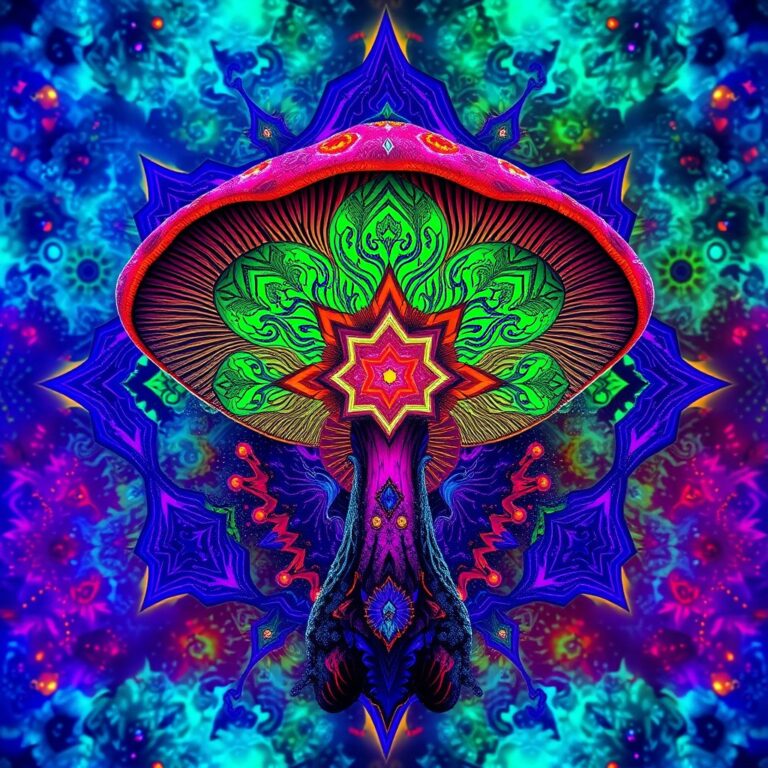
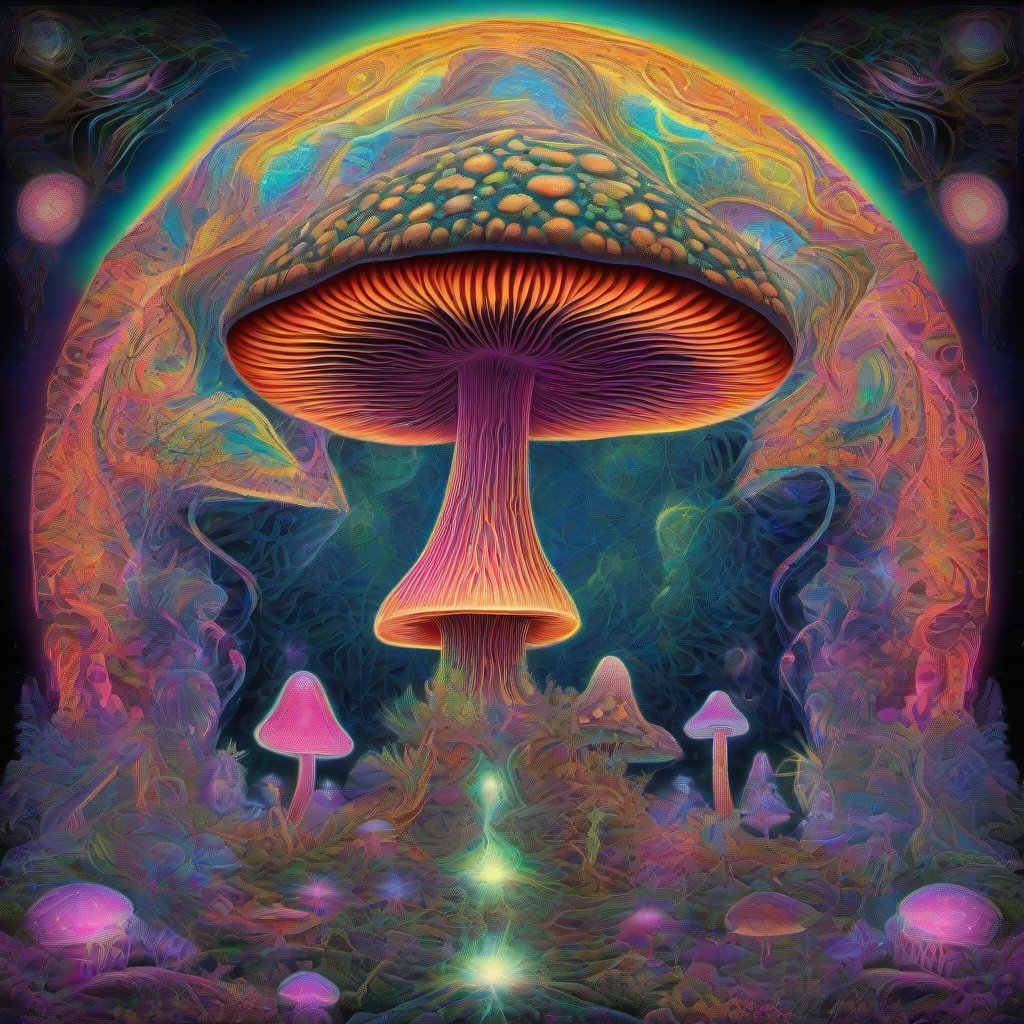
Altered states of consciousness—induced by meditation, psychedelics, hypnosis, or intense emotional experiences—have been part of human culture for millennia. They are not the domain of any one tradition. From shamanic rituals in indigenous cultures to mindfulness in modern psychiatry, these states have consistently been used to access the subconscious, transform trauma, and gain insight into the self.
What makes these states powerful is their ability to temporarily suspend the normal constraints of critical consciousness. In everyday life, the mind filters information, reinforces conditioned responses, and avoids uncomfortable truths. But in an altered state, that filter lifts. The subconscious, long kept in the shadows, is given a spotlight.
This review brings together evidence from a wide range of fields: contemplative practices, breathwork, psychedelics, ritual, and neurotechnology. It shows that despite their diverse methods, these disciplines all share a common goal: to access the subconscious and bring about transformation.
The Neurobiology of the Subconscious
At the heart of every altered state is a complex interplay of brain networks, neurotransmitters, and physiological responses. The review highlights several key neurobiological mechanisms that appear to be common across all these practices. One of the most consistent findings is the suppression or modulation of the default mode network (DMN), a network of brain regions associated with self-referential thought, memory, and introspection. When the DMN is quieted, the mind becomes more open to new information and less bound by habitual patterns of thought.
Another shared mechanism is the regulation of the autonomic nervous system, particularly through vagal tone and heart rate variability. Practices like breathwork, meditation, and even psychedelic experiences have been shown to reduce stress hormones, lower heart rate, and increase parasympathetic activity. This physiological shift not only calms the body but also creates a more open and flexible mental state, ideal for accessing the subconscious.
Neuroplasticity is also a key player. Many of these practices, especially those involving psychedelics or long-term meditation, have been linked to increased levels of brain-derived neurotrophic factor (BDNF), a protein that supports the growth and maintenance of neurons. This suggests that altered states not only provide access to the subconscious but also have the potential to reshape the brain itself.
The Healing Power of Altered States
The review presents clinical evidence supporting the therapeutic potential of altered states. Among the most compelling findings is the effectiveness of MDMA-assisted therapy for post-traumatic stress disorder (PTSD). In Phase 3 randomized controlled trials, nearly 67% of participants experienced a significant reduction in symptoms, with many reporting long-term remission. The mechanism seems to involve the combination of MDMA’s ability to reduce fear and increase empathy with the therapeutic setting, allowing patients to confront and process traumatic memories in a safe, non-judgmental space.
Similarly, psilocybin therapy has shown remarkable results for treatment-resistant depression. In multiple randomized controlled trials, between 60% and 70% of participants experienced a significant improvement in their symptoms. This is not just a fleeting effect; many report sustained remission months or even years after treatment. The mechanism, again, involves the suppression of the DMN and the activation of brain regions associated with emotional processing and reward.
EMDR (Eye Movement Desensitization and Reprocessing), a therapy that uses rhythmic eye movements to process trauma, has also been widely studied and endorsed by both the World Health Organization and the American Psychological Association. It’s a testament to how altered states—whether induced by movement, sound, or emotion—can be harnessed to heal.
The Mystery of the Superconscious
While much of the review focuses on the subconscious, one of the most intriguing sections explores the possibility of accessing the superconscious—the so-called “Higher Self” or “soul” in spiritual traditions. This is where transpersonal hypnotherapy modalities like Life Between Lives (LBL) and Past Life Regression (PLR) come into play. These practices aim to access memories of past lives, or what some might call “soul memories,” and are often used to explore existential questions, unresolved trauma, or a search for meaning.
The review acknowledges that while preliminary case studies and open trials suggest these practices may be beneficial for conditions like existential distress, grief, and life-purpose confusion, rigorous controlled trials are still lacking. However, the unique aspect of LBL and PLR is that they explicitly target the superconscious, a dimension of the mind that is often considered beyond the reach of science. It’s a fascinating intersection of spirituality and neuroscience, and it raises profound questions about the nature of consciousness itself.
Frequently Asked Questions
Q: Are all altered states of consciousness the same?
A: No. While many share common neurobiological mechanisms, such as DMN suppression and neuroplasticity, the methods of induction and the experiences they produce can vary widely. Some, like meditation, are more introspective, while others, like psychedelics, may lead to more intense and expansive states of awareness.
Q: Can these practices be harmful?
A: Like any therapeutic intervention, they can have risks if not guided properly. Psychedelics, for example, can trigger psychological distress if used without support. Similarly, deep hypnosis or past-life regression may bring up unresolved trauma. It’s important to work with trained professionals to ensure safety and effectiveness.
Q: Are these practices culturally specific?
A: While many have roots in specific traditions, the review emphasizes their universal potential. Practices like meditation and breathwork have been adopted globally, and the therapeutic benefits are not limited to any one culture or belief system.
Q: How do these practices compare to traditional therapy?
A: Altered states offer a different approach. They often provide access to the subconscious in ways that traditional talk therapy cannot. However, they are not a replacement for professional treatment but can be a complementary tool in a holistic approach to mental health.
Q: What about the scientific community’s view of these practices?
A: There is growing interest and acceptance, especially in the field of psychedelic research. However, many traditional medical and psychological frameworks remain skeptical. The review calls for more rigorous, interdisciplinary research to bridge this gap.
Sources
Educational Disclaimer
This article is for informational and educational purposes only. It is not medical advice, mental health advice, diagnosis, treatment guidance, or a recommendation to use any substance, supplement, therapy, or protocol.
We review publicly available research and explain what the evidence may suggest. Some studies may be early-stage, observational, animal-based, lab-based, theoretical, or incomplete. Always consult a qualified professional before making health-related decisions.
If you or someone you know is struggling, you are not alone. In the US, call or text 988 (Suicide & Crisis Lifeline). Elsewhere, contact your local emergency or crisis service.
Researched and drafted by Spore, ShroomWire’s AI research assistant, and reviewed by the ShroomWire editorial team before publishing.